Maroon Floral Butterfly
As an embroidery designer and product reviewer, I often find myself evaluating new designs with a critical eye—looking for quality, versatility, and practicality. The Maroon Floral Butterfly design caught my attention not just for its aesthetic appeal, but for how it could translate into real-world projects. Whether you're a small business owner, Etsy seller, or craft enthusiast, this design has potential—but it’s important to understand its strengths and limitations before committing to a project.
The First Impression: A Delicate Balance of Elegance and Detail
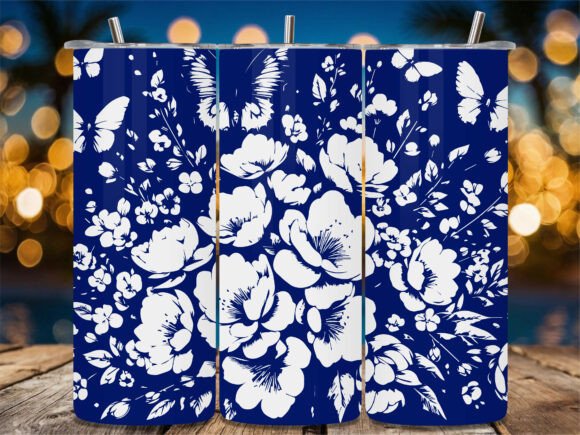
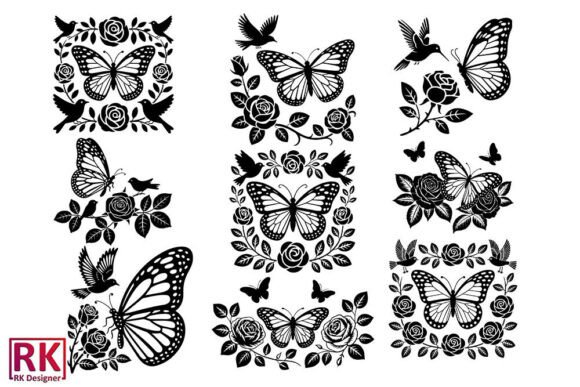
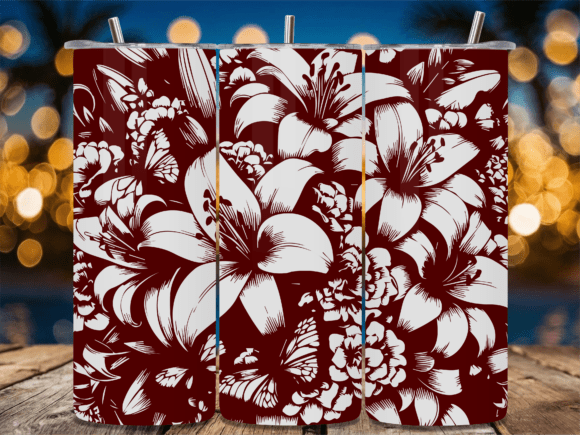
From the first glance, Maroon Floral Butterfly exudes a soft, romantic vibe. The floral motifs are intricate yet balanced, with the butterfly adding a touch of whimsy without overpowering the overall composition. The layout is well-structured, making it suitable for a variety of applications. It feels like a design that would work best on larger surfaces where the details can breathe, rather than on tight spaces where every stitch matters.
The color palette—primarily maroon with subtle accents—suggests it might be used on light-colored fabrics for maximum impact. However, the design's complexity may require careful consideration when working with dark backgrounds or textured materials.
Real-World Embroidery Performance: Where It Shines and Where It Needs Attention
I tested Maroon Floral Butterfly on several common embroidery projects, including custom apparel, tote bags, and baby items. On a cotton t-shirt or a lightweight sweatshirt, the design performed well, with clear satin stitches and minimal thread breakage. The stitch density is moderate, which makes it ideal for medium-weight fabrics but may require extra stabilizer on thinner or stretchy materials.
For a tote bag design, the full-wrap nature of the file allowed for seamless application across the entire surface. However, I noticed that the detailed corners and edges required careful hooping to avoid distortion. This is especially important if you're planning to use the design on curved surfaces like caps or bottle wraps.
On baby clothes, the design looked elegant and refined, but I would advise against using it on very thin or delicate fabrics. The stitch density might cause puckering or fabric damage if not handled properly. For personalized gifts or holiday embroidery, the design offers a unique and memorable touch that could elevate a handmade product.
Careful Considerations: When to Use It and When to Avoid It
While Maroon Floral Butterfly is visually appealing, it's not a one-size-fits-all design. If you're working with small hoop sizes, this design may not be the best choice—it requires a larger space to maintain its integrity. Similarly, on textured or stretchy fabrics, the design might not lay flat as intended, leading to uneven stitching or visible imperfections.
When working with dark fabrics, the contrast between the maroon elements and the background can be striking, but it’s essential to test the design in black and white mockups to ensure visibility. For layered garments or products that will see frequent washing, consider the durability of the stitches and the stability of the fabric underneath.
Impact on Visual Appeal and Customer Perception
In terms of visual appeal, Maroon Floral Butterfly adds a sophisticated touch to any project. Its intricate details make it stand out in a crowded market, which is crucial for handmade products or boutique merchandise. As an embroidery file, it can enhance the perceived value of a finished product, giving customers a sense of quality and craftsmanship.
For small shop products or Etsy listings, this design can help build brand consistency and create a recognizable aesthetic. However, it’s important to ensure that the design aligns with your target audience’s preferences. A more minimalist or modern style might resonate better with some buyers than the delicate, floral theme of this design.
Practical Designer Notes: Tips for Successful Use
Before using Maroon Floral Butterfly in a commercial or personal project, here are a few key steps to take:
- Test on scrap fabric to evaluate how the design looks and behaves on your chosen material.
- Check thread color contrast to ensure the maroon elements stand out clearly against your fabric.
- Review stitch density and adjust if necessary to prevent puckering or thread breakage.
- Confirm hoop size requirements to avoid issues with tight or distorted stitching.
- Inspect small details to ensure they remain sharp and clean after stitching.
- Test in black and white mockups to assess visibility and clarity.
- Compare on light and dark backgrounds to determine the best application scenarios.
- Use proper stabilizer for delicate or stretchy fabrics to maintain shape and structure.
- Verify licensing if you plan to sell finished items or digital products.
Whether you're creating embroidered patches, tote bag designs, or custom apparel, Maroon Floral Butterfly has the potential to add a unique and elegant touch. However, like any machine embroidery design, it requires thoughtful application and attention to detail to achieve the best results.
Final Thoughts: A Design Worth Considering for the Right Project
Maroon Floral Butterfly is a design that speaks to those who appreciate elegance and refinement. It works well for handmade products, personalized gifts, and commercial embroidery projects where visual appeal and detail matter. However, it's not without its challenges—especially when working with certain fabrics or limited hoop sizes.
If you're looking for a design that can elevate your craft business or add a special touch to your next project, Maroon Floral Butterfly is worth exploring. Just remember to approach it with care, test it thoroughly, and consider how it fits into your overall creative vision.